A region organising itself
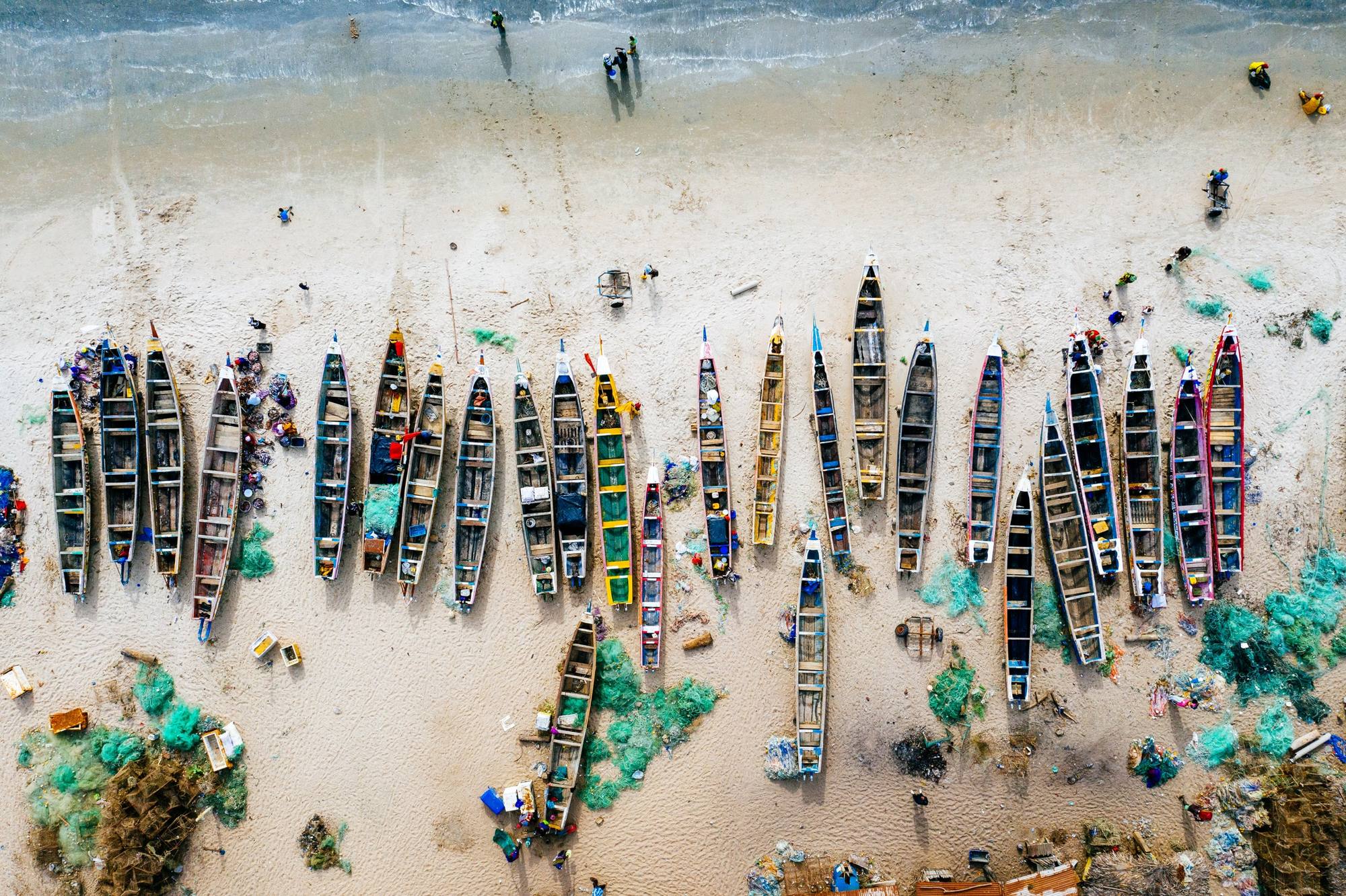
Climate justice movements exist across Africa. West Africa has not always been adequately represented inside them, despite facing the same environmental and social challenges. WACMO was convened to close that gap, and to organise the region as one.
Across the sub-region there are movements mobilising on the symptoms of the crisis, with no overall umbrella to bring those efforts together. There is work on agriculture and food sovereignty. There is work on deforestation and desertification. Activists from the region take part in continental climate justice spaces, but the focus there is rarely weighted towards the concerns that matter most here.
That matters because the region is growing fast, at an estimated 2.8 per cent a year, in an environment of shrinking land and water. Three things make West Africa's situation its own.
- Its impacts are specific. The region depends largely on rain-fed agriculture and has fewer irrigation systems than others, so a bad season is a food crisis.
- Its responses are local. Each region holds climate responses rooted in local knowledge and circumstance. These endogenous solutions are routinely overlooked in official circles, where attention stays on externally generated ideas.
- Its politics have an address. ECOWAS is closer to the grassroots than continental institutions, and gives advocacy a platform that can be carried up to the African Union.
Language barriers and travel difficulties also limit who can take part in continental meetings. A movement inside the region makes participation possible for the people living the crisis, not only for those able to reach the rooms where it is discussed.
Seven concerns the region shares
Identified in the movement's founding paper. Each one crosses borders, and none of them can be solved by one country alone.
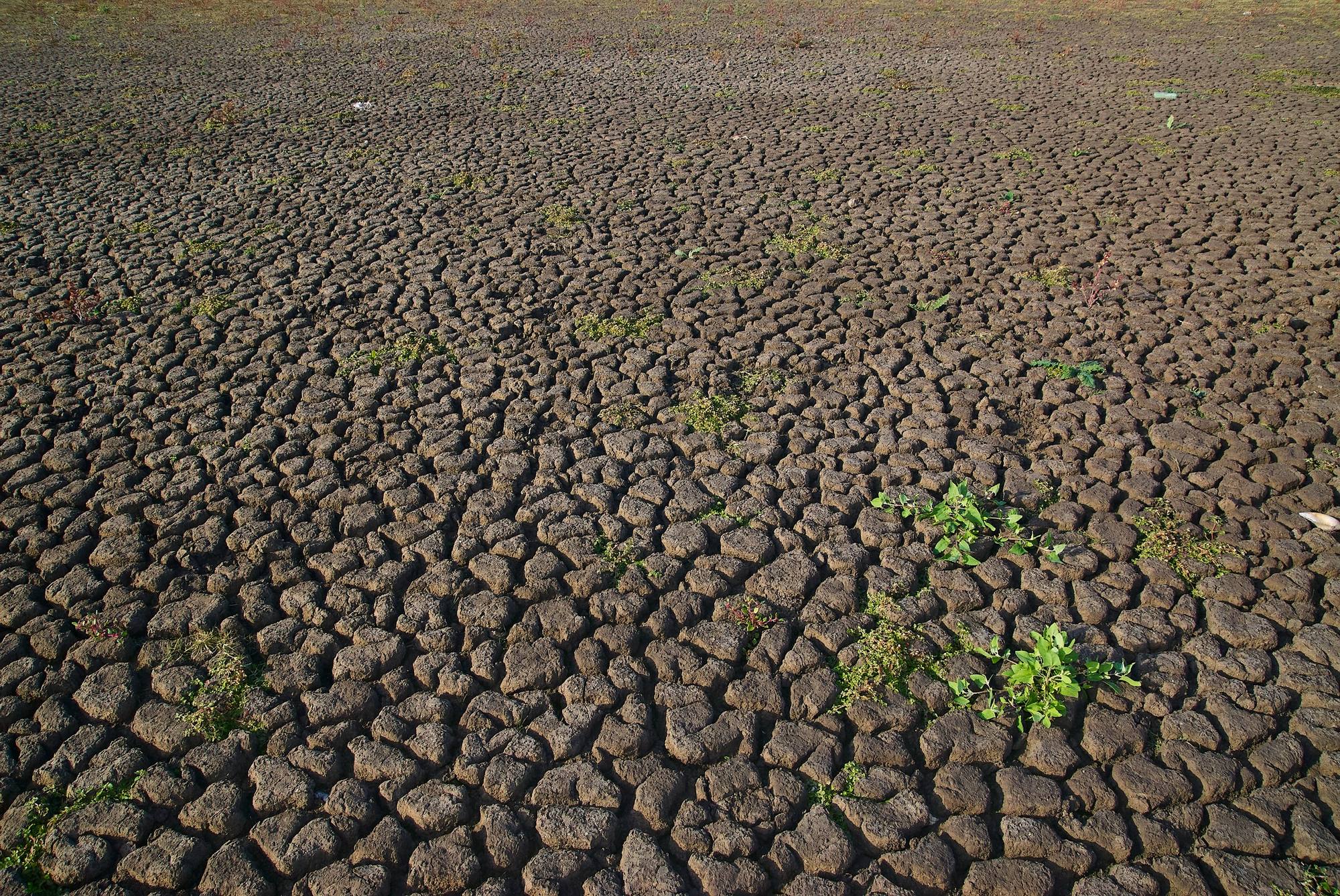
Desertification
Land stress across the upper Sahel, produced by drought interacting with the mismanagement of environmental resources.
Deforestation
In the rainforest belt and the Sahel alike, including protected species such as rosewood, taking habitat, biodiversity and livelihoods with it.
Flooding
Rainfall patterns are shifting and adaptation has not kept up. Floods now cross every ecological zone of the region.
Coastal erosion
Dakar, Accra and Lagos all sit on the coastline. In the Niger Delta, a one metre sea level rise floods up to 80km inland.
Migration and conflict
Movement within the Sahel and out of it, with lives lost in the Mediterranean, is still rarely recognised as climate displacement.
Drought
Severe droughts have brought famine to Mali, Chad, Niger, Burkina Faso and Mauritania, and more are projected.
Water stress
Lake Chad is the clearest case on the continent. Drying rivers and invasive species push pastoralists to move, and conflict follows.
Colonialism did not merely extract minerals and labour. It extracted a relationship. Land became property. Forests became timber. Rivers became commercial routes.Prof. Youba SokonaKeynote address at the Abuja convening
How it came together
- First convening
The case is made
Climate justice organisers argue that continental platforms, while necessary, leave West Africa's specific concerns underweighted, and that a sub-regional movement is needed alongside them.
- 15 July 2026
Second convening, Abuja
The Health of Mother Earth Foundation brings together climate justice advocates, civil society organisations, academics and community representatives from Burkina Faso, Ghana, Guinea, Mali, Nigeria, Sierra Leone and Togo, under the theme Building Solidarity for Climate Justice in West Africa.
- Same day
The communiqué is adopted
Twelve resolutions are agreed, from rejecting harmful carbon markets to establishing rotational leadership and an annual regional tree-planting campaign.
- Now
A permanent platform
WACMO continues as a people-centred platform for regional solidarity, coordinated advocacy, knowledge sharing, research and action.
What a movement does that an organisation cannot
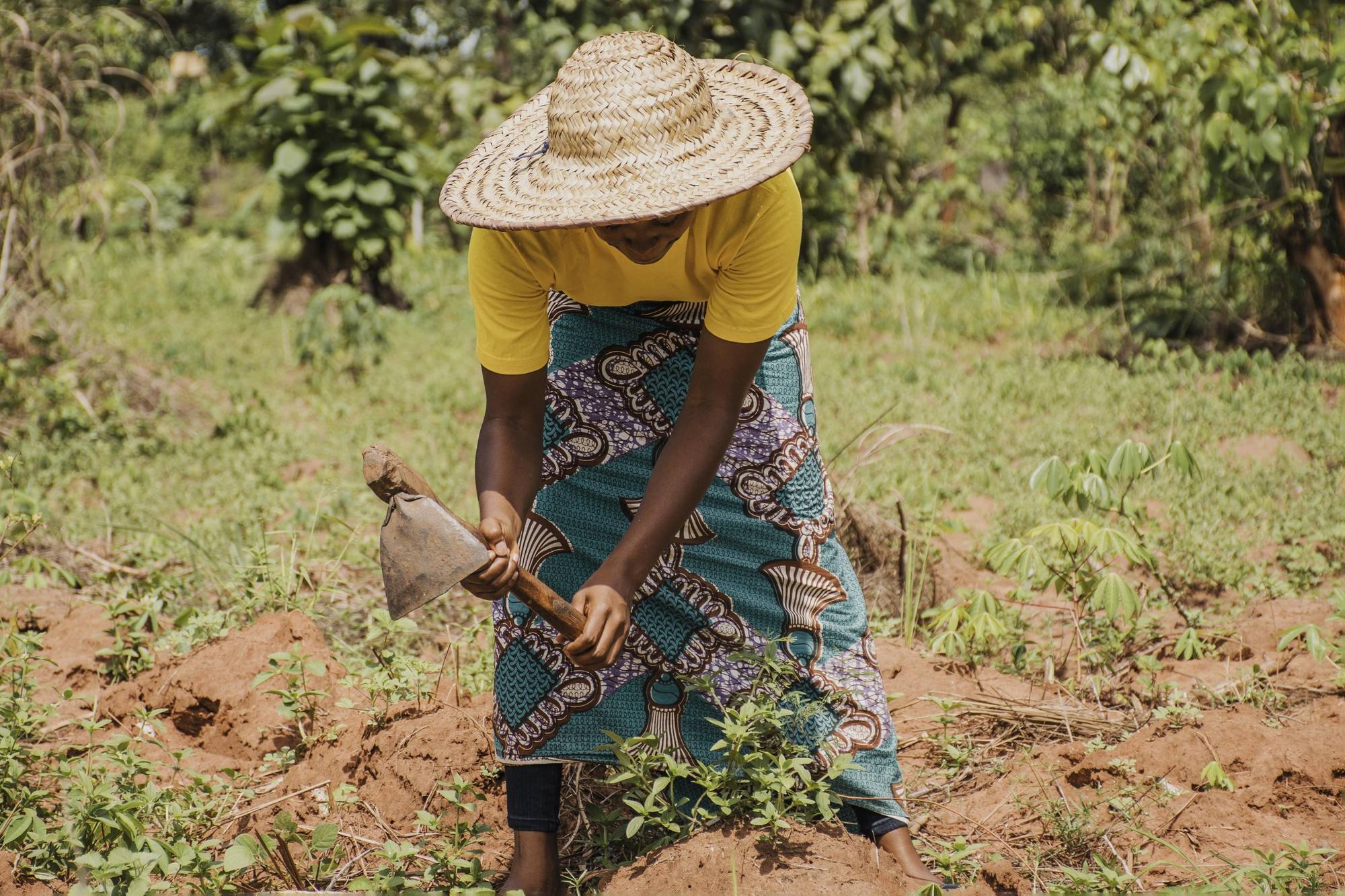
- Carries the voices of the people from the grassroots up to policy levels
- Interrogates national climate policies before they are adopted, not after
- Gives activist academics and researchers a platform for deep political analysis of false solutions
- Opens a space to argue about development models that negate the rights of nature
- Plugs the gap in continental movements where West Africa is not vigorously heard
What the movement stands on
Equity
Those who did the least to cause the crisis should not carry its cost.
Human rights
The right to a safe climate is inseparable from rights to food, water, health, land and livelihood.
Community leadership
Frontline communities lead, rather than being consulted once a decision is made.
Indigenous knowledge
Knowledge held in the region is evidence, and belongs in the room where policy is written.
Stewardship
Land, forests and rivers as shared trusts, not as assets to be traded.
Intergenerational responsibility
Decisions measured against the people who inherit them.
Every struggle connected to justice belongs here
Environmental organisations, workers' unions, women and youth groups, farmers, fisherfolk, faith communities, researchers, artists and Indigenous knowledge holders. Climate justice is not an event, a conference or a declaration. It is a daily practice of solidarity.