Organise
-
Strengthen the movement
Strengthen the West African Climate Justice Movement as a permanent, people-centred platform for regional solidarity, collective organising, coordinated advocacy, knowledge sharing, research and action, while setting a common agenda for ECOWAS, the African Union and Global South movements.
-
Use what the region already has
Map, strengthen and leverage existing movements, initiatives, networks and people's knowledge across the region, including platforms such as the World Social Forum, the Niger Delta Climate Change Platform and African Women Climate Justice, to amplify collective advocacy and engage governments and regional institutions.
-
Organise across languages
Promote cultural diversity by treating Africa's linguistic diversity as an opportunity to deepen climate consciousness, strengthen cross-border solidarity and enable community expression, alongside cultural values and practices that reduce vulnerability.
Demand
-
Rights-based climate governance
Advocate for governance that integrates climate justice, human rights, gender equality, equity, sustainability and intergenerational justice into national and regional policy, through inclusive, transparent and participatory decision-making.
-
A just energy transition
Accelerate community-centred renewable energy, support locally owned clean energy solutions, and phase out fossil fuel expansion and environmentally destructive extractive activity.
-
International accountability
Demand adequate grant-based climate finance, technology transfer, capacity strengthening, effective implementation of the Loss and Damage Fund, and direct support for frontline and climate-affected communities.
-
Reject false solutions
Reject false climate solutions, including harmful carbon markets, while advancing biodiversity conservation, ecosystem restoration, food sovereignty, agroecology and people-centred, nature-positive development.
-
Environmental governance with teeth
Ensure transparency, accountability, the polluter pays principle, Free, Prior and Informed Consent, equitable benefit-sharing, and the effective enforcement of environmental laws and safeguards.
Defend
-
Protect civic space and defenders
Protect environmental defenders and guarantee the meaningful participation and leadership of Indigenous Peoples, women, youth, local communities, persons with disabilities and civil society in climate decision-making at all levels.
-
Rotational leadership, and the next generation
Establish a rotational leadership structure and invest in Africa's youthful population, research, innovation and Indigenous knowledge systems, strengthening evidence-based advocacy and locally led climate solutions.
-
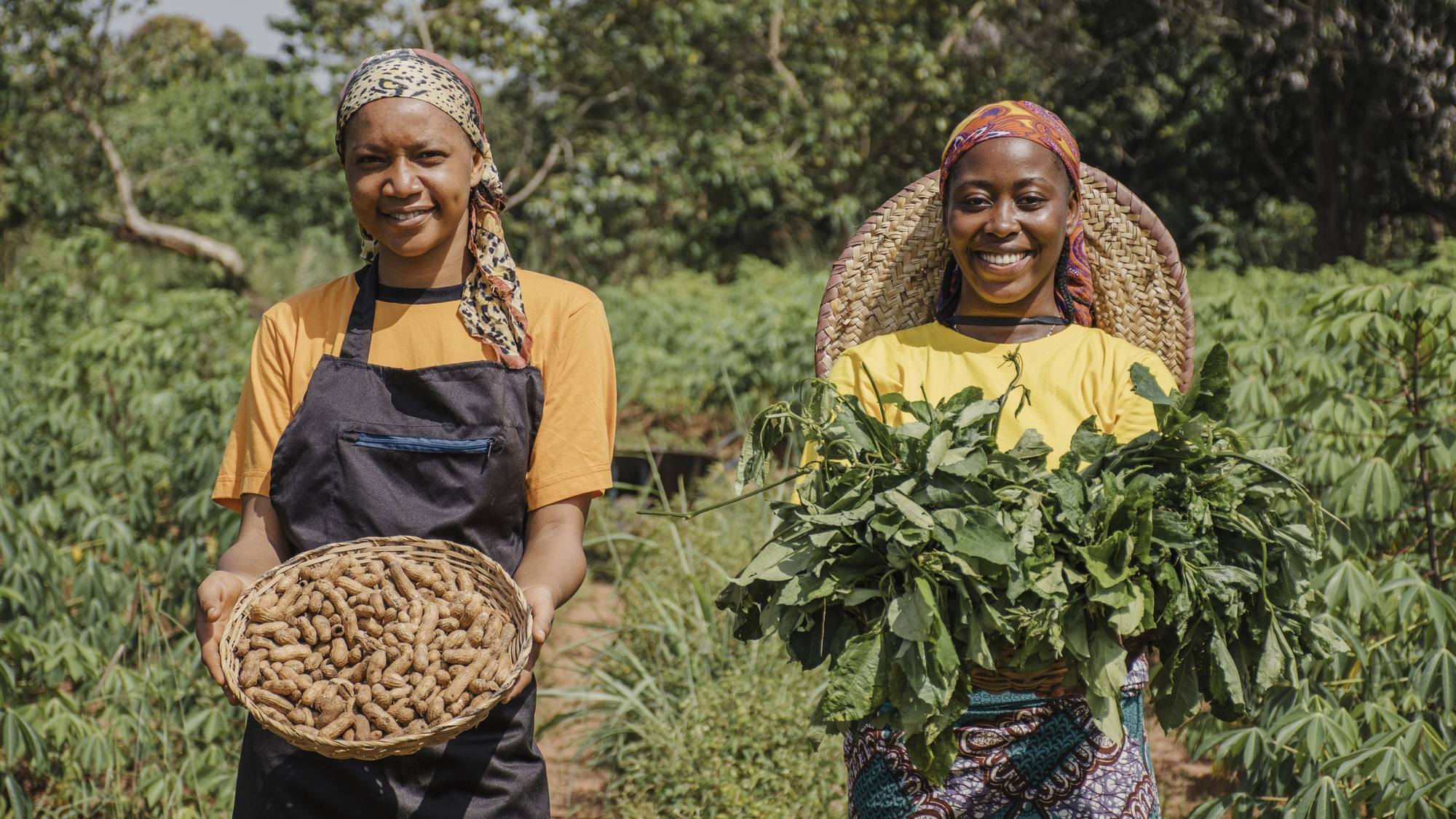
Build resilient communities
Support community-led adaptation, renewable energy, sustainable livelihoods, ecosystem restoration and coordinated regional advocacy in regional and global climate processes, including the UNFCCC.
-
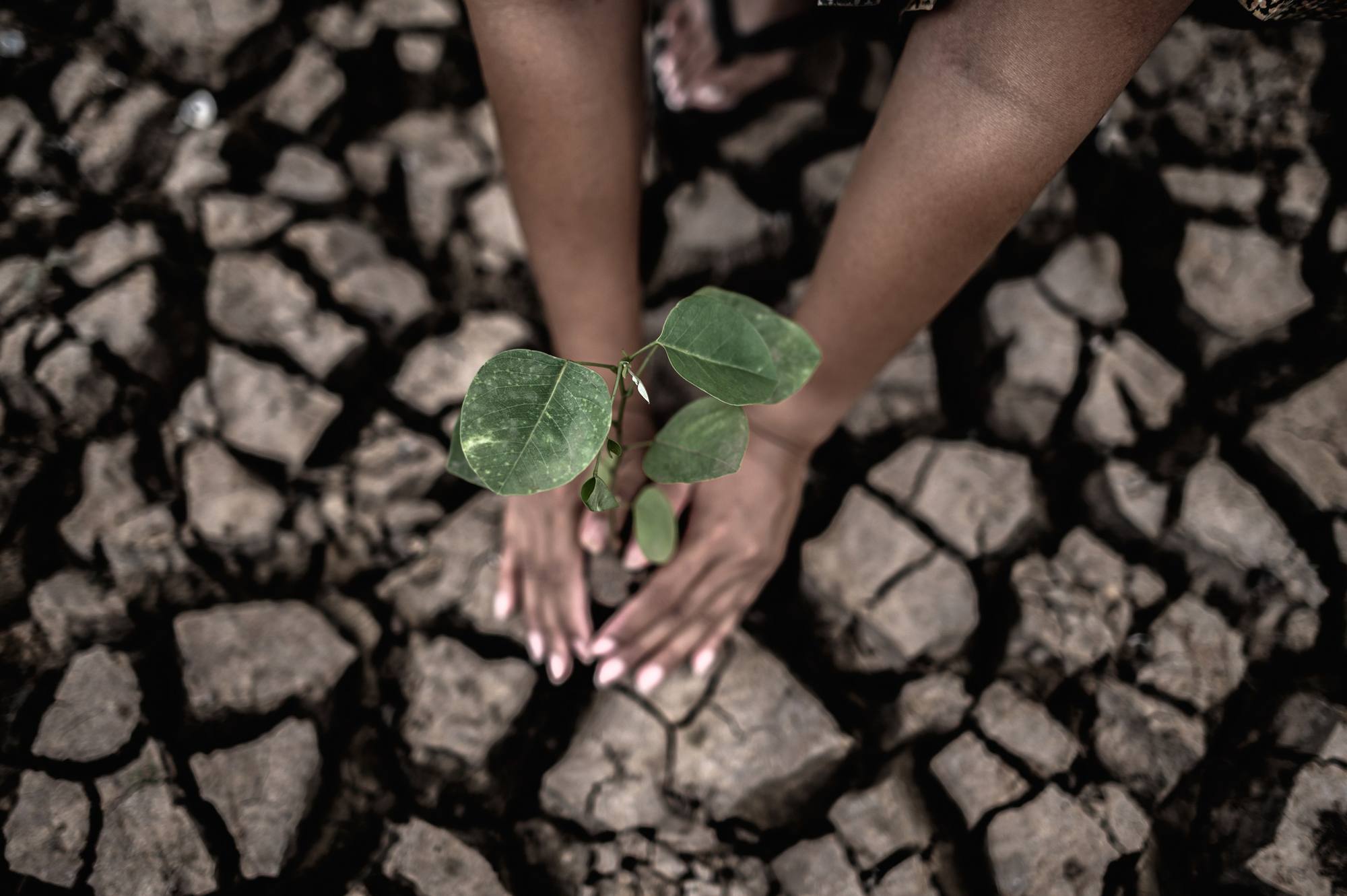
Plant, every year, together
Institutionalise an annual tree-planting campaign across West Africa as a symbol of solidarity, ecological restoration, climate resilience and community participation.
These are condensed from the communiqué. Read it in full, including the preamble and the observations that produced the resolutions.
Every struggle connected to justice belongs here
Environmental organisations, workers' unions, women and youth groups, farmers, fisherfolk, faith communities, researchers, artists and Indigenous knowledge holders. Climate justice is not an event, a conference or a declaration. It is a daily practice of solidarity.