One region.
Shared challenges.
One movement.
Climate impacts do not respect national borders. Across Burkina Faso, Ghana, Guinea, Mali, Nigeria, Sierra Leone and Togo, communities face the same floods, the same droughts, the same extraction. WACMO exists so they no longer face them alone.
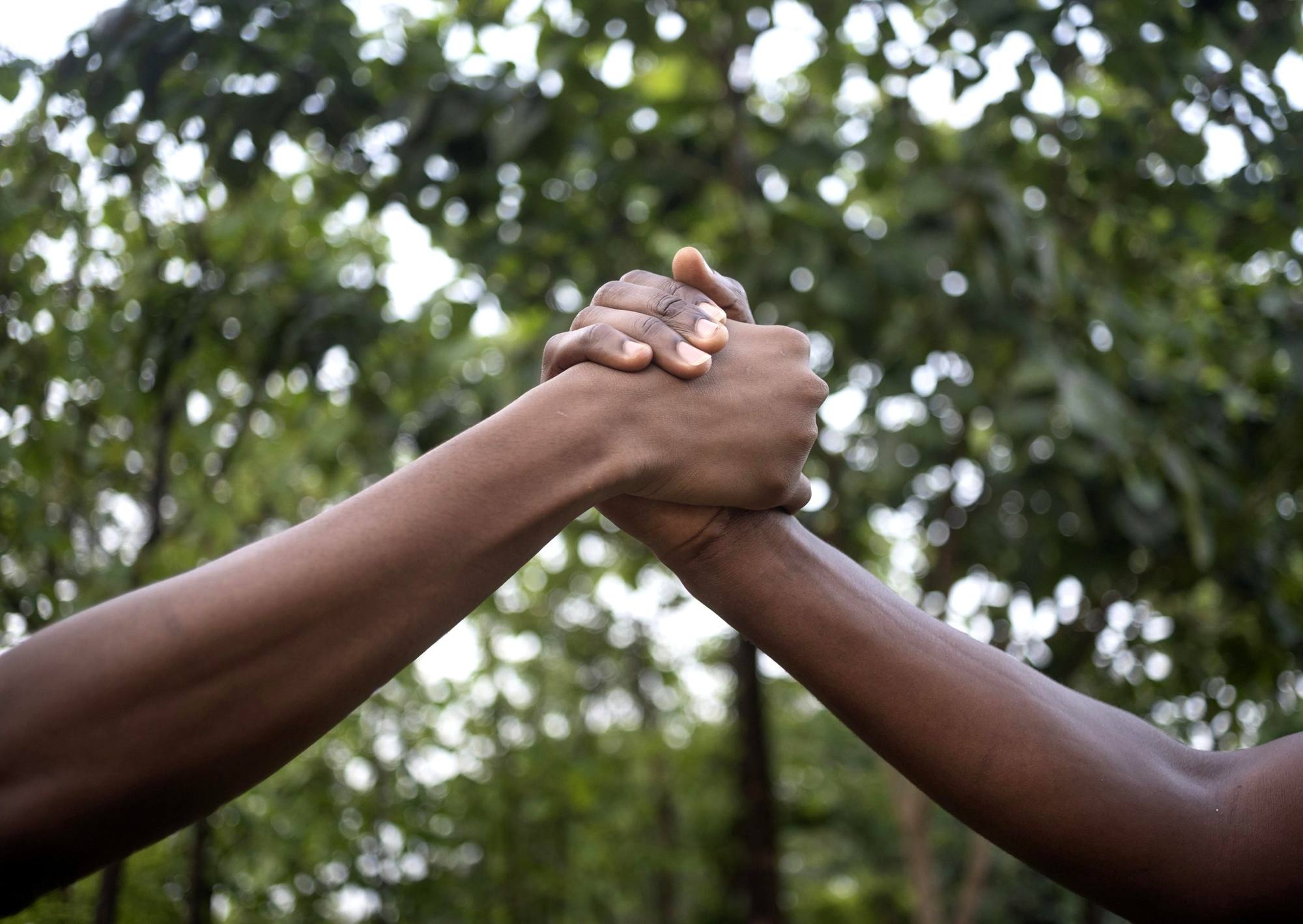
West Africa did the least to cause this crisis and pays the most for it
Prolonged droughts are threatening agriculture. Sea level rise is swallowing coastal communities. Floods destroy infrastructure, desertification advances across the Sahel, and food insecurity deepens. This is not a future scenario. It is the present reality of millions of people whose carbon footprint is a fraction of the footprint of those who built the system.
Movements across the region have been fighting these battles in isolation, often competing for the same attention while confronting the same extractive economic model. The West Africa Climate Justice Movement was convened to end that isolation and to organise the region as one.
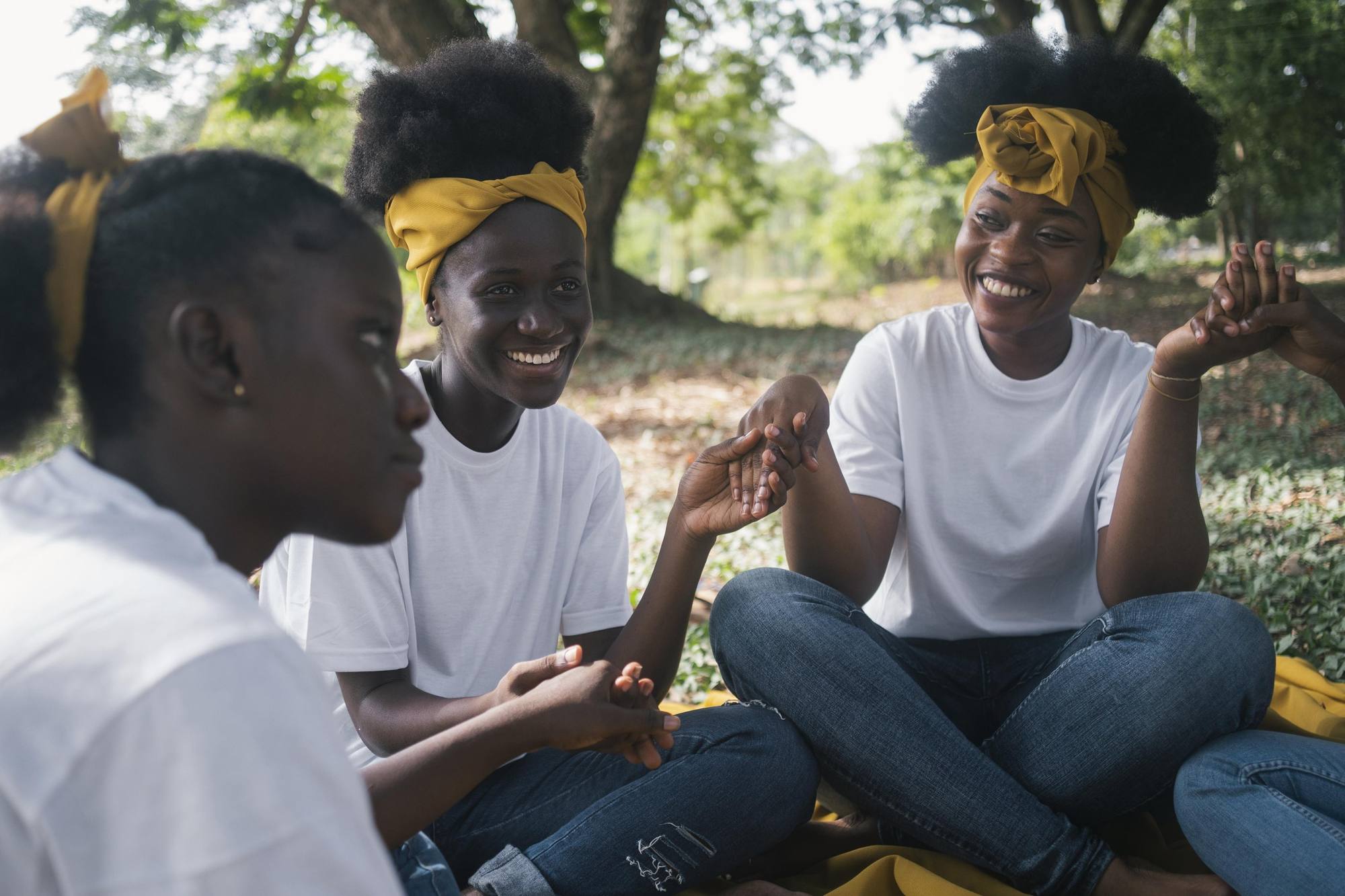
Solidarity is the lifeblood of any movement. It is what enables us to share pain, share hope, share ideas and share responsibility.Nnimmo BasseyExecutive Director, Health of Mother Earth Foundation, at the Abuja convening
How the movement works
A permanent, people-centred platform for regional solidarity, collective organising, coordinated advocacy, knowledge sharing, research and action.
Organisethe region as one
- Map and strengthen existing movements and networks across the region
- Set a common agenda for ECOWAS, the African Union and Global South movements
- Rotational leadership, so no single country owns the platform
Demandaccountability
- Grant-based climate finance, not new debt
- Effective implementation of the Loss and Damage Fund
- The polluter pays principle, enforced
Defendcommunities and defenders
- Free, Prior and Informed Consent on every project
- Protection for environmental defenders and civic space
- Leadership for Indigenous Peoples, women, youth and local communities
What we
stand for
Twelve resolutions, adopted by delegates in Abuja on 15 July 2026 at the close of the West Africa Climate Justice Roundtable.
Strengthen WACMO as a permanent, people-centred platform for the region
Map and leverage the movements, networks and people's knowledge we already have
Use the region's linguistic diversity to deepen climate consciousness
Advocate for rights-based climate governance, decided in the open
Promote a just energy transition, community-owned and community-centred
Demand international climate accountability and grant-based finance
Reject false climate solutions, including harmful carbon markets
Strengthen environmental governance, transparency and enforcement
Protect civic space and the people who defend the environment
Establish rotational leadership and invest in the region's youth and research
Build resilient communities through community-led adaptation
Institutionalise an annual tree-planting campaign across West Africa
Where the movement was formed
Convened by the Health of Mother Earth Foundation, delegates from seven countries met in Abuja under the theme Building Solidarity for Climate Justice in West Africa, and resolved to establish a permanent regional movement.
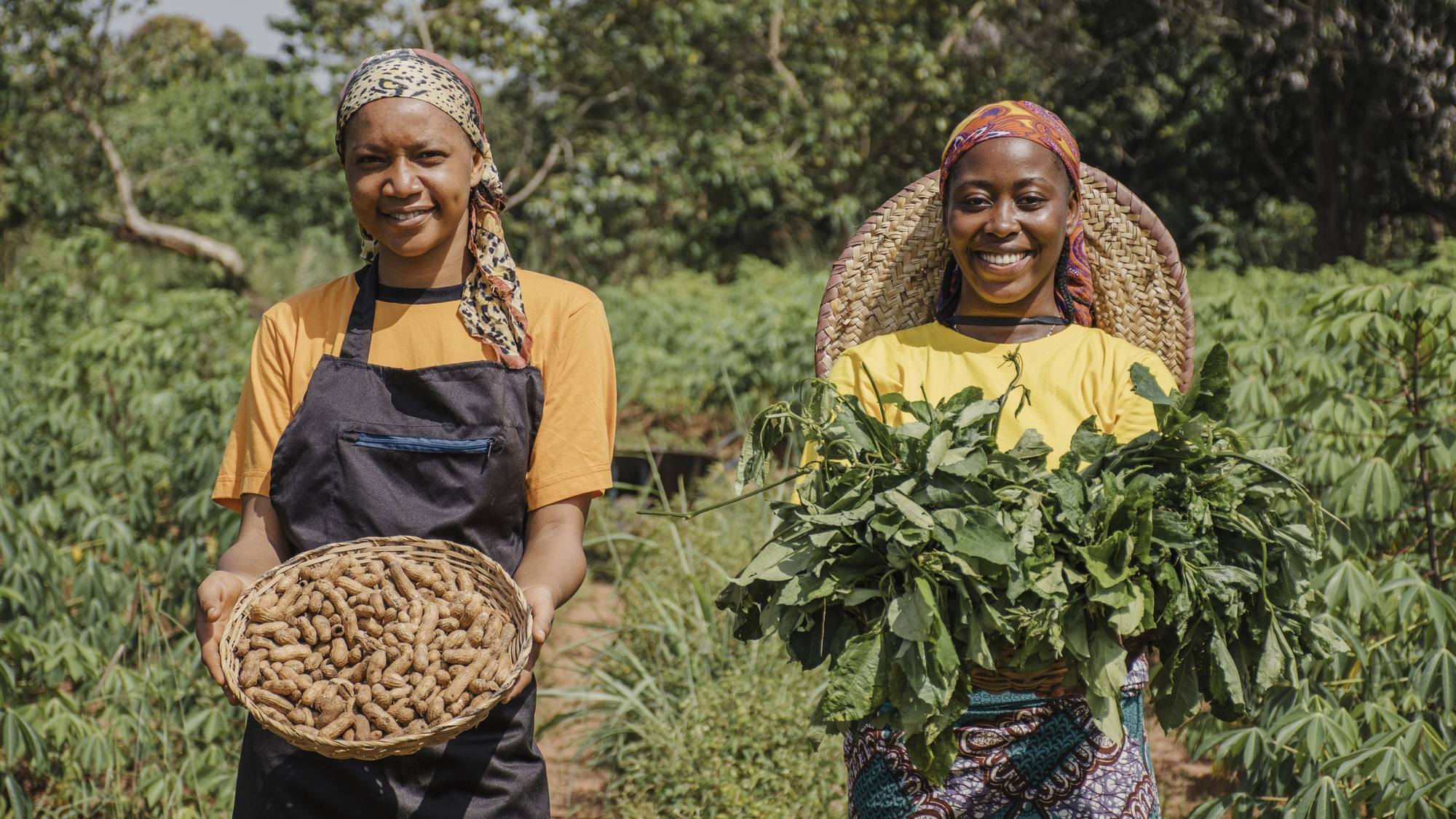
Not every solution is a solution
The climate crisis is not an accident. It is not bad luck. It is not an act of God.
It is the pre-known, pre-warned, and deliberately tolerated consequence of a system that chose profit over people, extraction over stewardship, and accumulation over survival.
Prof. Youba SokonaKeynote address at the Abuja convening
- Carbon markets and offsets that let historical polluters carry on
- Geoengineering and carbon capture sold as a fix
- Land and forest grabs dressed as conservation
- Poorly governed green transition projects
- A transition that swaps oil for critical minerals and keeps the injustice
- Climate-induced displacement described as adaptation
Forests become carbon assets. Communities become obstacles. Nature becomes another commodity to be traded.
Nnimmo BasseyExecutive Director, Health of Mother Earth Foundation
Statements and reports
Everything the movement adopts is published in full.
 Statement
Communiqué of the West Africa Climate Justice Roundtable
15 July 2026 · Abuja
Twelve resolutions, adopted at the close of the roundtable, with the observations that produced them: on carbon markets, climate debt, Free, Prior and Informed Consent, and an annual regional tree-planting campaign.
 Report
One region, shared challenges: reclaiming West Africa's future through climate justice
15 July 2026 · Abuja
The full record of the second convening, including Nnimmo Bassey on solidarity and false solutions, and Prof. Youba Sokona's keynote on sovereignty, colonialism and the region's future.
 Paper
PaperThe need for a West African climate justice movement
Why a sub-regional platform matters when continental spaces underweight West Africa's concerns, and the seven climate pressures the region holds in common.
Every struggle connected to justice belongs here
Environmental organisations, workers' unions, women and youth groups, farmers, fisherfolk, faith communities, researchers, artists and Indigenous knowledge holders. Climate justice is not an event, a conference or a declaration. It is a daily practice of solidarity.